
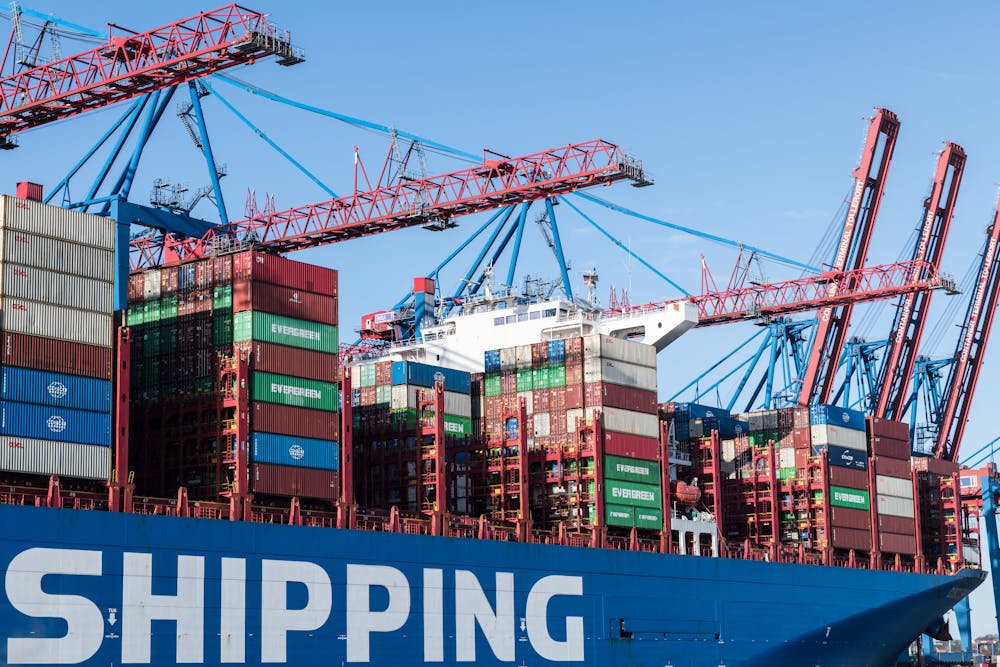
Singapore’s strategic role in global maritime trade places it at the heart of international logistics. For shipping companies, maintaining competitiveness requires more than operational excellence - it requires access to capital for vessel acquisition, fleet renewal, refinancing, and working capital. Shipping financing provides structured funding options tailored to the capital‑intensive nature of maritime assets.
This guide explains how shipping financing works in Singapore, the types of funding available, and what businesses should consider when seeking maritime financing solutions.
What is Shipping Financing?
Shipping financing encompasses a variety of loan and credit products that help maritime and logistics businesses secure capital for strategic needs. This includes funding for vessel purchases, newbuild construction, refinancing existing assets, and managing ongoing operational costs.
In Singapore, shipping loans are offered by commercial banks, specialised maritime lenders, and licensed financial institutions. These facilities consider the unique features of shipping assets - high value, long useful lives, and international deployment, and are structured accordingly.
The most common use cases for shipping financing in Singapore include:
- Vessel acquisition and construction: Financing the outright purchase of a ship or funding a new build through a shipyard.
- Fleet refinancing: Restructuring debt on existing vessels to improve cash flow, reduce interest costs, or extend tenure.
- Fleet expansion: Adding capacity to meet growing cargo demand, enter new trade routes, or serve new clients.
- Operational liquidity: Maintaining working capital to cover fuel, crew, port fees, and maintenance between revenue cycles.
Types of Shipping Loans Available in Singapore
Different financing instruments suit different business needs, risk profiles, and cash flow patterns. Below is an overview of common shipping loan types available in Singapore:
1. Term Loans
Term loans are the most conventional shipping financing instrument, a structured facility providing a lump sum upfront, repaid over an agreed period with regular instalments of principal and interest. In the shipping context, they are most commonly used to finance vessel acquisition or new construction, with the vessel itself typically serving as collateral.
In Singapore, term loans are available through major commercial banks, regional maritime lenders, and specialist financial institutions. Repayment periods typically range from five to fifteen years. The key advantage is predictability: fixed repayment schedules allow businesses to plan cash flow with confidence and model the long-term economics of ownership with clarity.
2. Revolving Credit Lines
Revolving credit lines suit businesses with variable cash flows. They allow borrowers to draw funds, repay, and redraw up to the approved limit. Interest is payable only on drawn amounts, making this structure efficient for managing fuel costs, port fees, crew expenses, and repairs.
3. Export Credit Financing
For Singapore businesses engaged in international shipping and logistics, export credit financing provides access to funding backed by government agencies or multilateral financial institutions. These programmes reduce the financing risk associated with cross-border contracts, particularly relevant for operators active in emerging markets or under long-term export agreements.
In Singapore, such financing is accessible through schemes administered by Enterprise Singapore and through arrangements with regional development banks and export credit agencies. Government backing typically translates into more competitive rates and more flexible terms than purely commercial facilities, making it a valuable option for qualifying export-oriented operators.
Key Benefits of Shipping Loans
Shipping loans support strategic investment and operational resilience. Key advantages include:
- Access to capital: Shipping loans provide the funds needed to acquire vessels, upgrade ageing fleet assets, or sustain operations through a low-revenue period, without requiring businesses to deplete reserves or defer growth.
- Lower financing costs: Because vessels serve as collateral, secured shipping loans typically carry materially lower interest rates than unsecured alternatives. This makes fleet financing one of the more cost-effective ways to deploy debt capital.
- Improved liquidity: Revolving credit facilities in particular give operators the working capital headroom to respond to market opportunities, cover unforeseen costs, or smooth revenue gaps without disrupting day-to-day operations.
- Growth Enablement: Financing allows companies to respond quickly to market demand and pursue new trade routes or contracts without waiting to accumulate internal funds.
Risks and Considerations in Shipping Financing
Before committing to shipping financing, businesses should be aware of inherent challenges:
- Collateral risk: Since shipping loans are typically secured by the vessel being financed, failure to service the debt can result in the lender enforcing against that asset. Losing a vessel, particularly one that is central to ongoing operations, can have severe consequences for a business's ability to trade.
- Interest rate risk: Variable‑rate debt exposes borrowers to rate volatility. Fixed rates or hedging strategies may be considered for cost certainty.
- Industry cyclicality: Freight rates, vessel values, and global trade demand fluctuate, affecting revenue and loan servicing capacity.
Finding the Right Shipping Financing Partner
Understanding your options, from term loans and revolving credit lines to lease financing and export credit schemes, is the starting point. The next step is finding a financing partner who understands the industry and can structure a solution aligned to your specific business needs.
As a trusted financing partner, GB Helios works across the country’s maritime and logistics sector to provide business financing solutions in Singapore built around real operational needs. With deep expertise and a collaborative approach to every engagement, the team at GB Helios can help you identify the right structure, navigate the application process, and access capital with confidence. Contact us today.
Frequently Asked Questions About Shipping Financing
1. What financing options do you offer for shipping companies?
We provide three core financing solutions tailored for shipping and logistics businesses:
- Invoice factoring to unlock cash from unpaid invoices
- Supplier (payables) financing to manage outgoing payments
- Term loans for structured, longer-term funding needs
Each solution is designed to support different aspects of your cash flow and growth strategy.
2. How does invoice factoring work for shipping businesses?
Invoice factoring converts outstanding invoices into immediate working capital.
Once you issue an invoice to a customer, you can sell it to a financing provider and receive a large portion upfront. The remaining balance is released after your customer pays, minus agreed fees.
This helps shipping companies manage long payment cycles common in freight and logistics operations.
3. What is supplier (payables) financing?
Supplier financing allows you to pay vendors — such as fuel suppliers, port operators, or maintenance providers — without using your own cash immediately.
A financing provider settles the invoice on your behalf, and you repay later under agreed terms. This ensures smoother operations and stronger supplier relationships.
4. What is a term loan and how is it used in shipping?
A term loan provides a lump sum of capital that is repaid over a fixed period with scheduled instalments.
In the shipping sector, term loans are commonly used for:
- Business expansion
- Fleet-related investments
- Refinancing existing obligations
- General working capital for growth
They offer predictable repayments, making them suitable for longer-term planning.
5. How is a term loan different from factoring or supplier financing?
The key difference lies in structure and purpose:
- Term loans: Fixed amount, fixed repayment schedule, used for larger or strategic investments
- Invoice factoring: Linked to receivables; funding grows with your sales
- Supplier financing: Supports outgoing payments and short-term liquidity
Many businesses use a combination of these solutions to balance stability and flexibility.
6. Will these financing options affect my cash flow?
Yes - in a positive way when structured correctly:
- Factoring improves incoming cash flow
- Supplier financing supports outgoing payments
- Term loans provide stable capital for planning and growth
Together, they help smooth cash flow across your operations.
7. Who are these financing solutions best suited for?
These options are ideal for:
- Shipping and logistics firms with long receivable cycles
- Businesses managing high operational costs
- Companies looking to scale without straining cash reserves
8. Can newer shipping companies apply?
Yes. Approval for factoring and supplier financing often depends on the credit quality of your customers or suppliers, not just your company’s track record.
For term loans, lenders typically assess financial history, cash flow, and repayment capacity.